Rejections and “Reserve+” for Women: What Challenges Ukrainians Face Due to New EU Requirements for Obtaining Protection
/88x88/filters:format(webp)/p/5/70/6511266e5e5822a9f31e393ff56d0705.webp "Yeva Slastnova")
journalist
/2368x/filters:format(webp)/p/e/57/b87dc507ae59908729c535a45aa4b57e.webp)
Ukrainians are actively discussing the new requirements for obtaining temporary protection in European Union countries. Starting in August, citizens applying for this status for the first time will need to prove that their departure from Ukraine was lawful.
"Shelter" explains how the new system works, whether women need "Reserve+," and what lies ahead for men.
Who is affected by the updated requirements?
In late July, the EU Council extended temporary protection for Ukrainians until March 4, 2028, but tightened the requirements. Under the new rules, Ukrainian citizens will only be able to obtain this status if they have no issues with their military registration documents.
This information came as no surprise: European capitals had been debating for a year what to do with Ukrainian men arriving in the EU.
The EU Council’s decision took effect on August 5, 2026, and applies only to applications submitted after that date. The updated requirements do not apply to Ukrainians who already have temporary protection in an EU member state—although there is an important nuance here that we will return to later.
Why, exactly, is temporary protection needed? This mechanism grants Ukrainians who have fled due to full-scale war the right to residence, employment, medical care, and education in the EU. Unlike traditional refugee status, it can be obtained much more quickly and easily, while granting a broader range of rights.
In a comment to “Shelter,” Kateryna Anishchenko, an attorney and chair of the Ukrainian Bar Association’s Committee on Military Law, Military Justice, and the Protection of Veterans’ Rights, said that all EU member states must adhere to the new rules for granting this status, but in accordance with the laws in effect in each individual country.
The official decision of the EU Council states that Brussels must take into account “Ukraine’s evolving defense needs.” This document is currently the only one that explains how the new rules for obtaining temporary protection work.
It emphasizes that Ukraine must preserve its “budgetary and military resources” to continue deterring Russian aggression. That is why the EU will grant temporary protection only to those citizens who “can provide evidence that they had permission to legally leave Ukraine and have fulfilled their military obligations.”
The document lists two ways to confirm the legality of one’s departure from Ukraine. The first and simplest is a border-crossing stamp in a foreign passport. The second (if there is no stamp) is an official document confirming the fulfillment of or exemption from military service in the “Reserve+” app.
These conditions apply to all Ukrainians “regardless of age or gender.” The draft age in Ukraine is 25–60 years. Why does the official EU decision not include such an age restriction? The fact is that this could be interpreted as age discrimination, so Brussels phrased the requirement in general terms. However, it is clear that this specifically refers to adult citizens.
The gender issue caused a particular stir. It was expected that men would have to go through the arduous process of obtaining temporary protection, while women would be exempt. But the EU decided to screen everyone, since there is a category of women in Ukraine who are subject to mandatory military registration—specifically, women with medical and pharmaceutical training.
Why is there confusion over the documents?
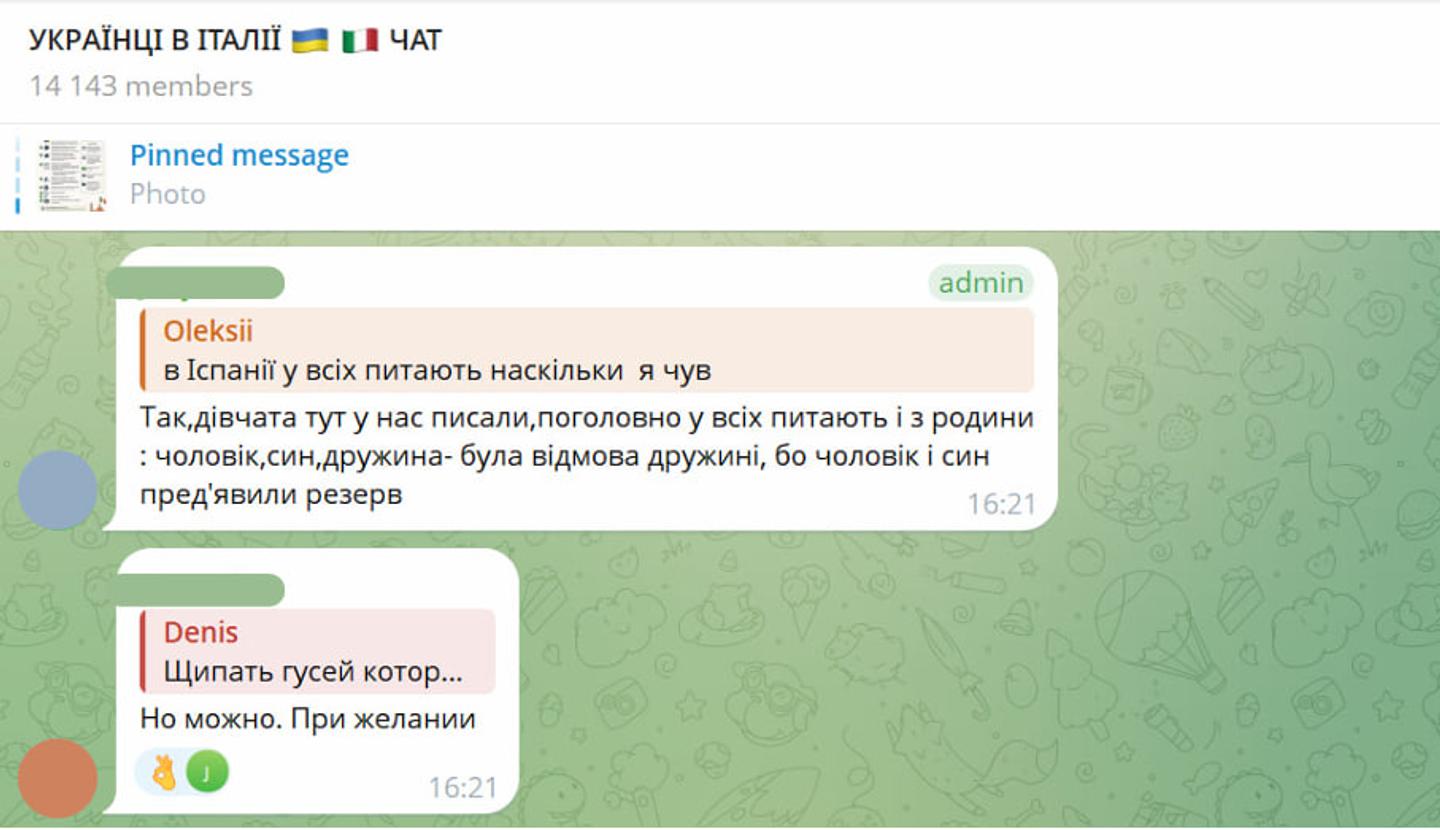
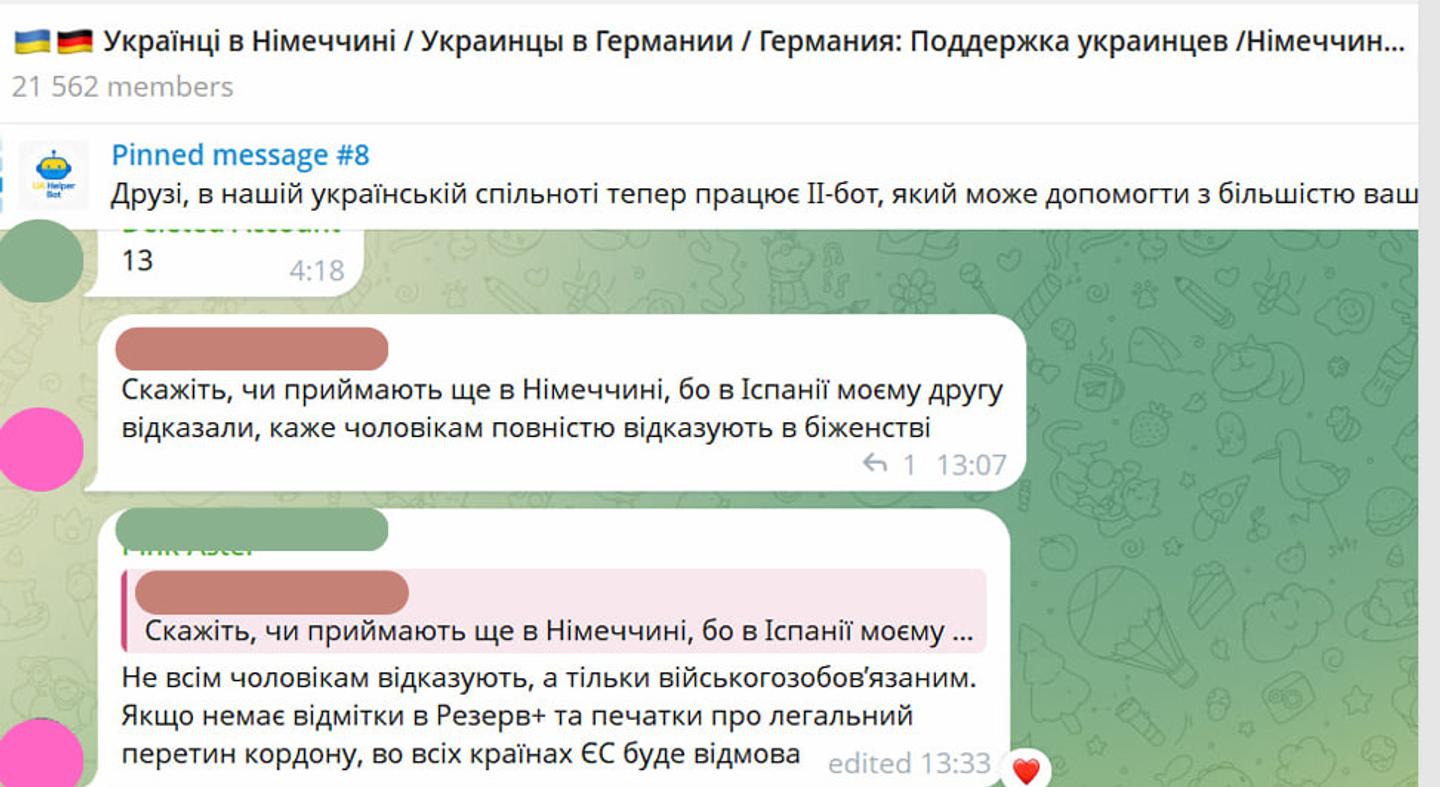
After the new rules were introduced, Ukrainians in the EU began sounding the alarm. Various “Ukrainians in Europe” chat groups are flooded with questions about the new requirements and stories from those who have already encountered them in practice.
The updated requirements have led to a number of complications. The main reason is the discrepancies in the requirements across different EU countries. In some countries, Ukrainians were not required to present “Reserve+” at all, while in others, they were asked to provide an expanded set of documents to confirm the legality of their travel.
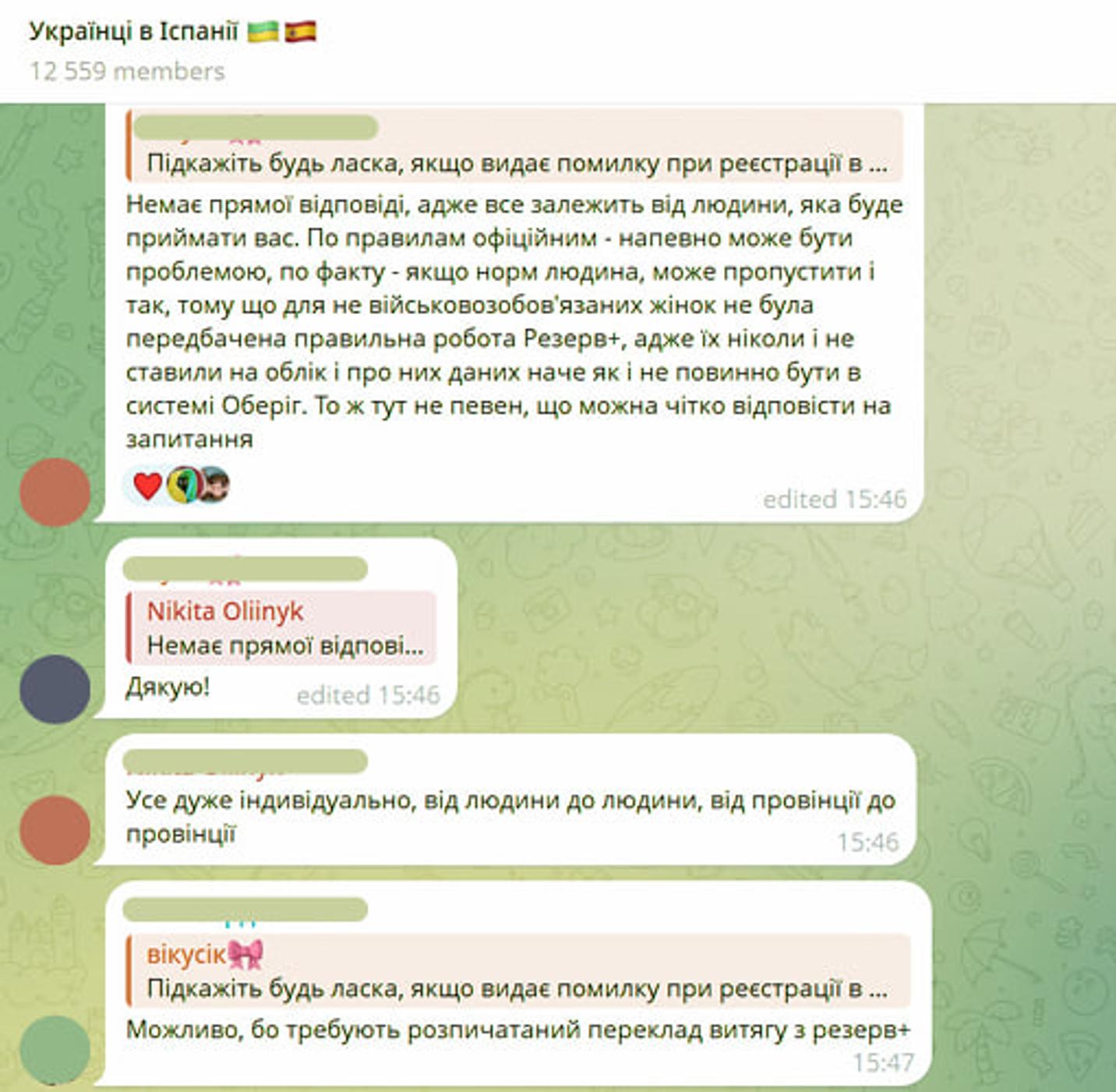
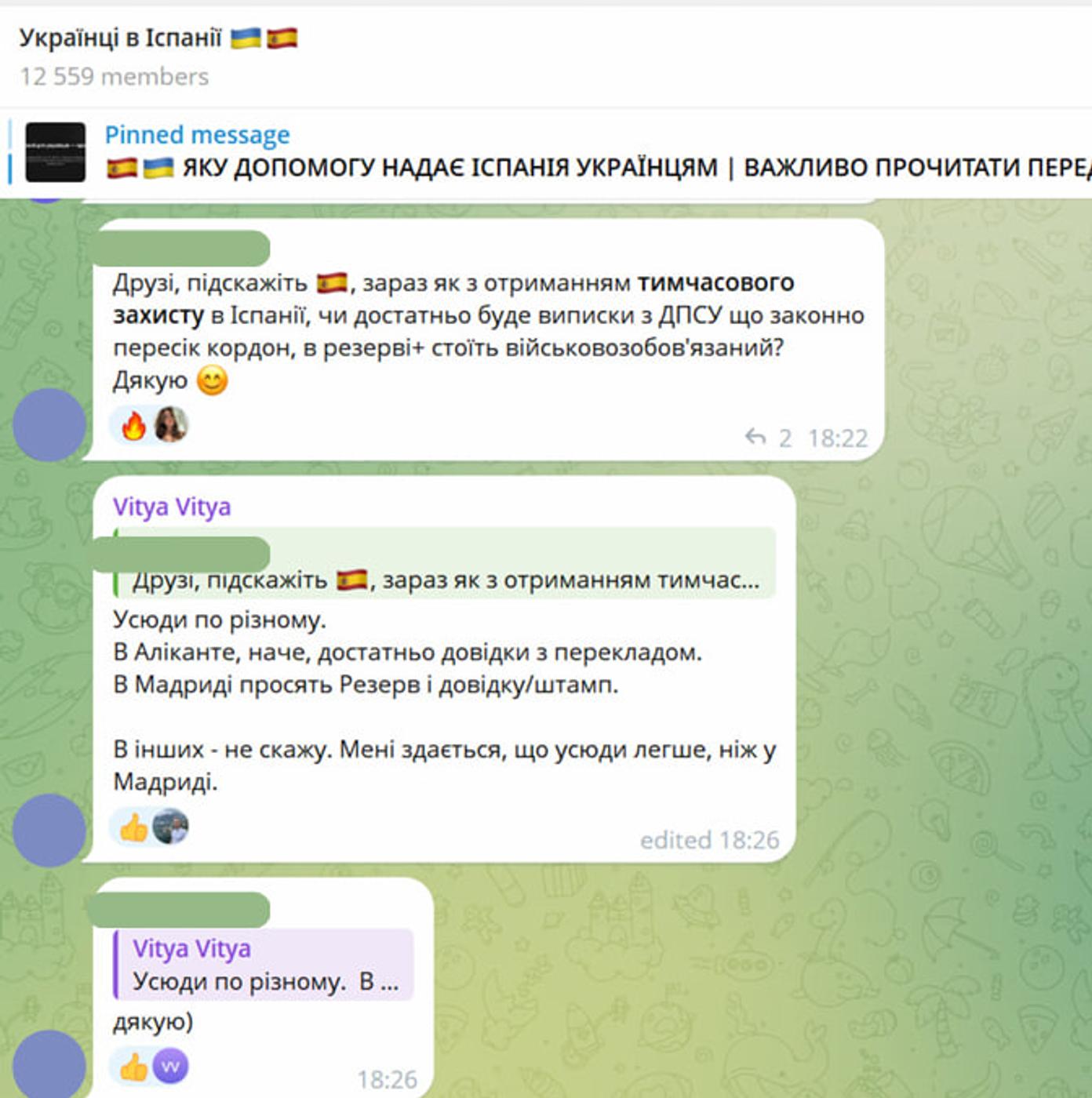
There has also been confusion regarding the wording: people complain that they are being denied if their “Reserve+” status is listed as “not registered,” since officials require the status to be marked as “deregistered.”
Attorney Kateryna Anishchenko noted that this issue remains unresolved due to the lack of a uniform practice and numerous inconsistencies as the new rules are being implemented.
In any case, I recommend obtaining a denial exclusively in writing so that it is properly justified and the person can subsequently go to court to challenge such unlawful actions. This is the work of an immigration lawyer
Kateryna AnishchenkoAttorney, Chair of the Committee on Military Law, Military Justice, and the Protection of Veterans’ Rights at the Ukrainian Bar Association
To avoid further confusion, the European Commission has promised to provide member states with guidance on the application of the new rules “in the coming weeks.” However, it’s hardly worth waiting until September—European officials are on vacation en masse.
Moreover, differences between countries are inevitable anyway, as the European Commission has stated that the final assessment of each case remains the responsibility of the national authorities of each individual country.
For its part, the Ukrainian Ministry of Foreign Affairs emphasized that it had forwarded all necessary clarifications from Ukrainian agencies to the European Commission.
The reason for the current problems lies not in a lack of such information from the Ukrainian side, but in the fact that the EU has not yet provided member states with the necessary centralized guidance on implementing the decision they adopted
Press Service of the Ukrainian Ministry of Foreign Affairs
At the same time, the Ministry of Foreign Affairs urged travelers to ensure that border guards affix the appropriate stamp to their foreign passports upon departure from Ukraine. However, those who regularly travel abroad know that border guards have not been placing stamps in recent years.
Therefore, Kateryna Anishchenko noted that Ukrainians should ask border guards to apply a stamp: “I haven’t heard from my clients that this has been a problem for anyone.”
Is it possible to change one’s country of residence?
At the same time, those who are already abroad and do not have a stamp but need confirmation of border crossing can obtain a certificate by submitting an official request to the State Border Guard Service of Ukraine or by presenting “Reserve+.”
Why is confirmation needed for those already in the EU if the rules apply only to new applicants? This is the nuance mentioned earlier. If a Ukrainian citizen had been granted protection in one EU country but decided to move to another, they will have to go through the updated procedure.
As the lawyer explained, refugees who left earlier and already have established status in a particular country are safe until March 2028. However, if they change their country of residence, the updated requirements will apply to Ukrainians.
This means they will have to resubmit proof of legal border crossing, as well as a military registration document specifying the status on the basis of which they left (for men)—whether it was a deferment, education, or disability.
If a man, for example, was on the military draft list but did not return to Ukraine after leaving, he will most likely be denied a new status when attempting to change his country of residence.
The lawyer clarified that in such a case, the citizen would have to either return to Ukraine, apply for regular refugee status, or remain in the country illegally. The latter carries the risk of deportation.
The procedure is simpler for women, although the new regulations have caused a wave of panic. State Border Guard Service spokesperson Andriy Demchenko assured that Ukrainian women are not required to present military registration documents or use the “Reserve+” app when leaving Ukraine. These will be required when applying for temporary protection in an EU country. For women who are not subject to mandatory military registration, the “Reserve+” app will display the status “not registered.”
What do you need to prepare to obtain protection?
For those currently planning to travel to the EU and apply for temporary protection, Kateryna Anishchenko provides a clear step-by-step guide.
First and foremost, men must ensure their military registration documents are in order: they must have confirmation of exemption from registration due to health reasons or a properly processed deferment.
The attorney also advises checking your passport to ensure it does not expire within the next year, as it is currently difficult to renew it abroad. Upon arrival in your chosen country, you must register with the consulate.
As for processing times and the waiting period for status, it all depends on the specific country.
Author

Yeva Slastnova journalist
All materialsShe studied at the School of Journalism at the Boris Grinchenko Kyiv Metropolitan University, majoring in "International Journalism." She worked at NV for three years.