Former commander of U.S. Army Europe Ben Hodges: If Ukraine liberates Crimea, we will be much closer to the end of the war
/88x88/filters:format(webp)/p/9/5a/3acfbd6bd73795a47b18fde27029d5a9.webp)
Editor-in-Chief
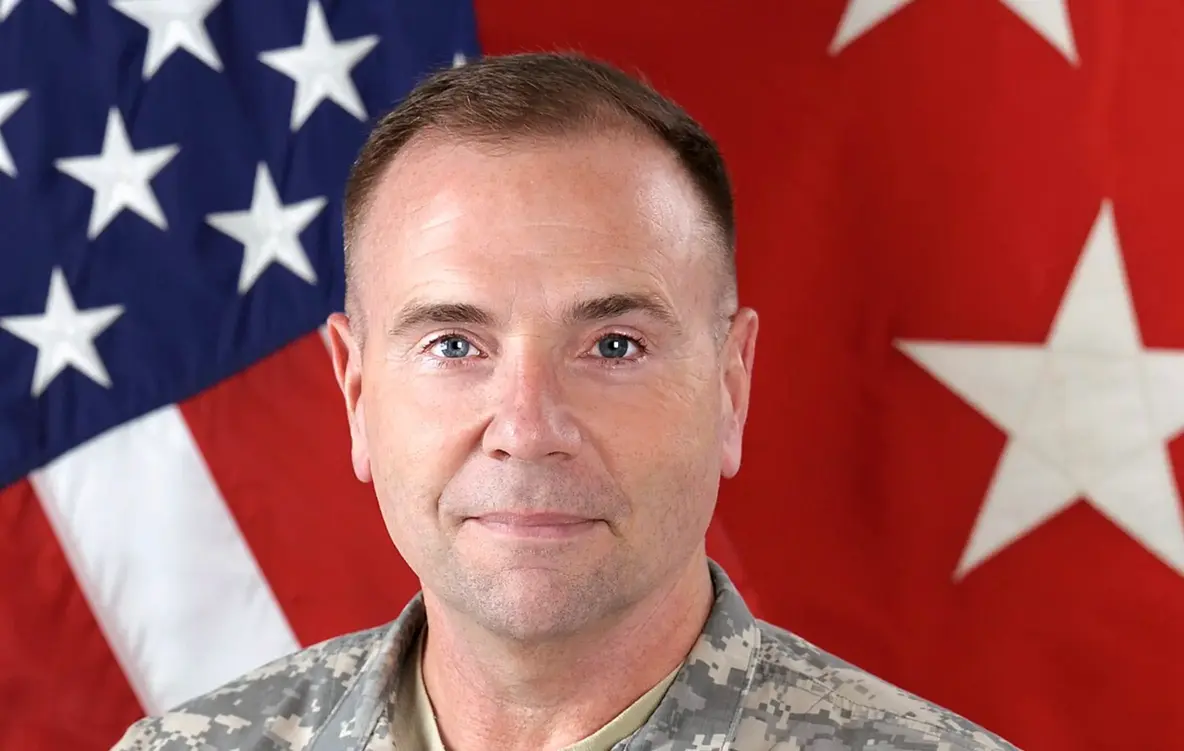
In an interview with SHELTER, former Commanding General of U.S. Army Europe Ben Hodges discusses the risks of a possible Russian provocation against NATO, the changing tone in Washington, and why he believes Crimea remains the key to ending the war.
- Today was another horrific night in Ukraine. Russia launched a large-scale attack on our cities. More than 20 civilians were killed. Does Russia still believe that such attacks can break Ukraine’s will to fight?
- I don't think that they believe it will break Ukraine's will to fight. I think that they believe it will break the will of the West. That's, I think, is the real target of these awful attacks.
But it also reflects that Russia has no any creativity, no imagination about how to change the momentum of the war, which is clearly in the favor of Ukraine right now.
- General, in recent days, many journalists and security analysts have discussed the possibilities that Russia could test NATO's true limited provocation, for example in Poland or Baltic countries. If this happens, it seems that Russia is not trying to test NATO's militarist range, it's more about political unity inside alliance. Do you agree with that? And do you think NATO is united enough today to respond together?
- Of course, this week is the NATO summit in Ankara, and I expect— and certainly hope— that what the principal objective of the summit is to strengthen that unity. But also to make it clear that the alliance continues to support Ukraine.
So if Russia decides that they want to somehow — Attack that unity, I think that they will— they will be disappointed. Now, at the same time, Russia is already launching a gray zone operations against NATO countries, with their drone incursions, the sabotage of infrastructure, assassinations, disinformation, all of these things that they're doing already. Those are intended to scare European populations so that they stop supporting Ukraine. So far, they're not successful. But nations have got to figure out a way to push back, to inflict some sort of consequences on Russia.
- So if Russia decides to test NATO, what do you think would be the most likely way to do it?
- Limited we are already doing is a test of NATO. And like I say, so far, it doesn't seem to be having the effect of reducing support for Ukraine. But they are testing already. Now, if they decided to do something more conventional not hybrid, such as a limited attack into Latvia or Lithuania or something, I think they would — they would get hammered.
This would seem to be a very unwise move by the Russians. To do that, because then the punishment that they would get in response I think would be so significant that clearly they're not in any position to do something significant elsewhere they've got their hands full in Ukraine already.
- So Russia currently lacks the military capability to carry out a major military provocation?
- No, I didn't say that. I said they've got their hands full in Ukraine. Clearly they don't care about how many casualties they suffer. And they could launch some sort of attack somewhere else that I think that they would have the response from the alliance would be severe. And I think the Russians know that. So the key is for the Russians to be convinced that the alliance is strong and together. If they see that we're not, then I think the risk of them trying something else does go up.
- What should NATO do today to make sure Russia never even tries such a provocation?
- The main thing is to make it clear to the Kremlin that it is the objective of the alliance that Ukraine defeats Russia, that Russia is forced to live back inside its own borders from 1991.
Second, is to make sure should be doing, because the best way to make sure Russia never attacks a NATO country is to help Ukraine defeat Russia.
So those should be the top two priorities that Ukraine is successful, to give Ukraine everything it needs more air defense, more longrange weapons, everything that we can — that we can possibly provide. That's what we now, of course, that means diplomatic power economic power not just military power.
Stopping the shuttle fleet vessels, for example, making sure that Russia cannot gain any resources through the Soviets' oil and gas to China or India or other customers. So there's a lot of different things that the West can be doing.
- You said earlier that Europe is starting to understand that it's own security depends on Ukraine's success. If the United States continues to avoid Putin real pressure on Russia, is Europe ready to take the lead? How do you think?
- They're going to have to, because the Trump administration does nothing meaningful to help Ukraine. They have — they may start to say things, but they have unfortunately have not been willing to put real pressure on Russia. And so I think Europe is finally understanding that they will have to do this without much US help.
- Regarding the Trump administration: in recent weeks we see that tone from Washington seems to have changed a little. For example, President Trump said that President Zelensky is "doing pretty well". Vice President Vance said that Russians change of making major gains are now close to zero. Do you think the Trump administration is starting to have more confidence in Ukraine?
- II would watch what they do, not what they say. And until I see real sanctions and the provision of more and more capability to Ukraine, then I would not — I don't have any confidence in what the President or the Vice President are saying.
- What should they be doing?
- What they should do is: first, the President should say it's in the strategic interest of the United States that Ukraine is successful, that Ukraine defeats Russia. And Russia has to live inside its own border. That state that as our strategic objective.
Second: use the full strength of the United States to provide capabilities, ammunition, help other countries enforce sanctions. There's so many different things we could be doing better and more of to help Ukraine, but it starts with making this our policy objective. And they haven't done that yet even though most of the Congress would support it.
- General, you have often said the Crimea is the key to this war. Many people earlier believed the war would end when Crimea was liberated. But now we hear a different idea in Ukraine too, that the liberation of Crimea could actually be the beginning of the end of this war. Do you agree with this point?
- I still believe that Crimea is the most important geographical part of Ukraine. It's part of the war. And that if Ukraine is able to push the Russians out, or if the Russians withdraw because of the relentless attacks by Ukrainian drones and missiles, and special forces, then I think it would be very difficult for Russia to ever regain the initiative it will be difficult for Vladimir Putin to explain to his own population how this has happened. And I think this could significantly change the whole — direction of the war.
I can't guarantee any of that, but I absolutely believe that if Ukraine liberates Crimea, then we will be much closer to the end of this war.
- DDo you think Russia is interested in real peace negotiation today? Or it's simply trying to gain more time?
- Putin has zero interest in a real negotiated settlement. Unless he's going to get everything he ever wanted. So I think President Zelensky knows this. All the leaders in Ukraine know this. That the Russians have not backed off of their maximalist demands from the beginning. And they're killing dozens of innocent Ukrainian civilians every night. So they clearly are not interested in any kind of a peaceful outcome.
- At the beginning of the war, Putin expected a quick victory. But this war is still going on, and Russia is paying a very high price. Do you think Putin still believes that time on Russian side? Or is time now working against Russia?
- The war started 12 years ago, and 2014. And so Russia had every advantage back then, and they had every advantage in 2022 when they started the largescale invasion. And yet here we are. They're going backwards. They're losing casualties. They're economy is getting hammered by Ukrainian drones and missiles.
So I would say the longer this goes on, the more effective Ukraine will become. But what I can't predict — I don't know — is how the Russian people think about these things. What are they — what would they do? What are they going to tolerate? And of course, the people around Putin the oligarchs, the power people, you know, what — when are they going to say that this is enough? I don't know that.
- So if I ask you what kind of pressure on Russia would be most effective today — would it be military support for Ukraine?
- I think it’s about the whole situation in general. We need every possible measure.
People with money in Russia need to feel the pain also. Not just the unlucky people who were sent to the front. But people need to feel the pain everywhere. And that means the destruction of Russia's ability to export oil and gas. They're stopping their ability to send shuttle fleet vessels to their customers. All of these things. Have to be targeted. So a comprehensive effort using not only military, but also economic power information and also making sure that.
Russian citizens are not allowed to do anything. No visas. No participation in international anything. It needs to be comprehensive. So that they feel that they feel the pain.
- What do you expect from this week’s NATO summit?
- I'm hoping is that the president Trump will not be disruptive. But instead, the alliance will come out of Ankara unified, which is always the top objective of any summit. And agreement on more support for Ukraine.
And then, the president Trump can brag if he wants to, that more countries are spending on defense because of him. That if he wants to do that, okay. As long as he's not causing problems or breaking apart the unity of NATO.
- What worries you most today: that Russia might become more alienated, or that the West might become more divided?
- What worries me the most is that we have so many. Challenges inside the United States right now, that our own democracy is under real pressure. And the leadership that we have in the United States right now, it's not the right leadership that we need both for our own benefit and also the United States is we're losing our influence and other parts of the world because people don't trust, or don't respect, the United States. And I attribute that to the president.
Author

Svitlana Sheremetieva Editor-in-Chief
All materialsShe has been working in journalism since 2013. Before founding “Shelter,” she served as editor-in-chief of the online media outlet “Apostrophe” and as deputy general director of the RBC-Ukraine news agency.