46 soldiers wounded in the explosion in Olenivka remain in Russian captivity
/1440x/filters:format(webp)/p/f/1f/0f316d5ae19185f42ba441294fd9b1ff.webp)
/88x88/filters:format(webp)/p/6/df/0cb1d2749697ac7935e938257389fdf6.webp)
photojournalist
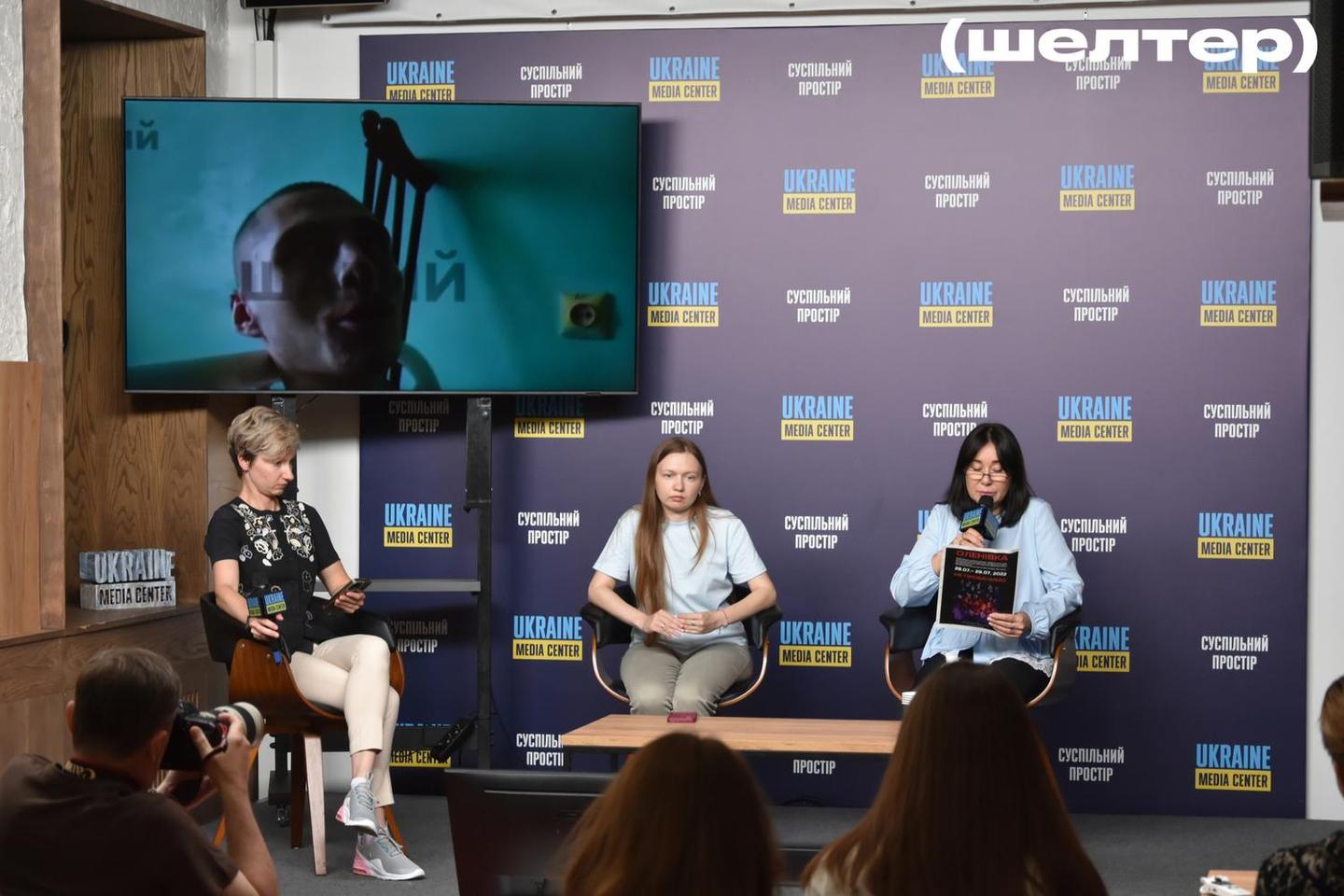
Four years after the explosion in a barracks at the Olenivska Colony, 46 wounded Ukrainian soldiers remain in Russian captivity. Some of them require long-term medical treatment. Their families receive information about their condition mainly from released prisoners.
Following an explosion in a barracks at the Olenivka penal colony, 69 wounded Ukrainian prisoners of war were transported to hospitals in the occupied territory. Subsequently, 23 of them returned to Ukraine during prisoner exchanges, while another 46 remain in Russia or in territories it occupies.
The Ukrainian side classifies these servicemen as seriously wounded or seriously ill and insists on their priority return. At the same time, families have limited information about the locations where their loved ones are being held and their health conditions. Often, new information only emerges after prisoner exchanges, when released soldiers speak about the people with whom they were held in the same cells.
Anastasia Gondyul’s husband was taken prisoner while wounded after the defense of Mariupol and sustained further injuries during an explosion in Olenivka. According to information the family received from former prisoners, a piece of shrapnel remains lodged in his spine to this day.
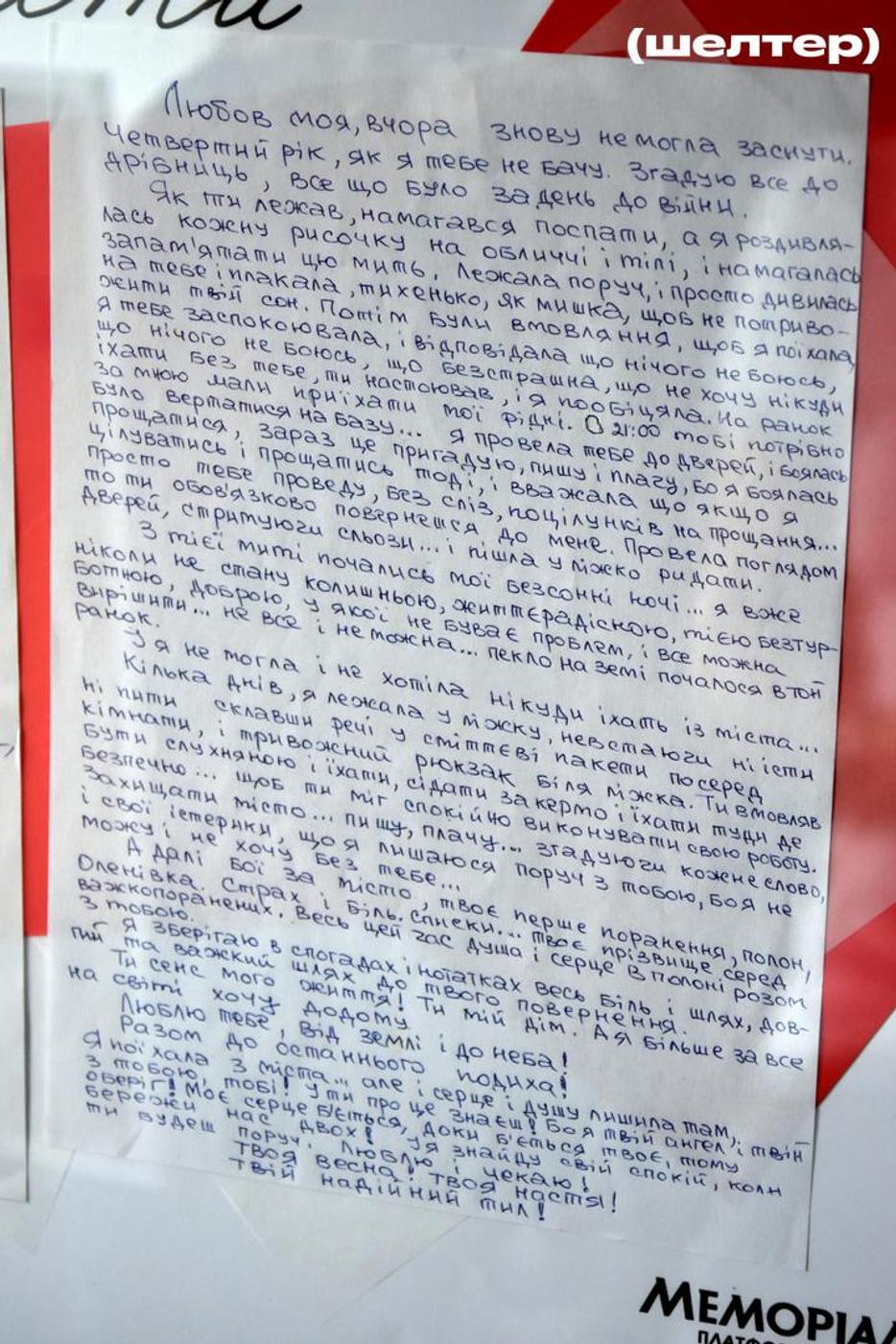
The released soldiers also described the so-called “standing regime” in Russian detention facilities. According to them, prisoners are allowed to sit mainly during meals—three times a day for about 20 minutes each time. For people with spinal or limb injuries, swelling, and wounds, such conditions can further worsen their health.
The defenders of Mariupol were taken prisoner after several months of fighting while surrounded, facing shortages of water, food, and medicine. Some of them left “Azovstal” with severe injuries and were subsequently transported to detention facilities in the occupied territory.
Explosion in a barracks
After the defense of Mariupol ended, some of the Ukrainian soldiers were transported to Penal Colony No. 120 near the occupied town of Olenivka in Donetsk Oblast.
Shortly before the explosion, about 200 prisoners, mostly Azov soldiers, were transferred from the main camp to a separate building in the industrial zone. The former workshop was converted into a barracks and equipped with bunk beds.
On the evening of July 28, 2022, an explosion was heard near the prison, and shortly thereafter, another explosion occurred directly inside the building where the prisoners were being held. A fire then broke out in the barracks.
According to the UN, at least 50 Ukrainian prisoners of war were killed, and another 151 people were injured. Ukrainian law enforcement officials identified 49 of the deceased. Several bodies handed over by the Russian side remain unidentified.
Former prisoners testified that after the explosion, the prison guards failed to organize a timely evacuation. The soldiers themselves carried the wounded and the dead out of the building, while medics among the prisoners attempted to provide assistance despite the lack of necessary equipment and medications.
According to the Ukrainian investigation, at least nine victims died as a result of the delayed evacuation and the failure to provide medical care.
The claim of a HIMARS strike has not been confirmed
Immediately after the explosion, the Russian Ministry of Defense claimed that the barracks had allegedly been shelled by the Ukrainian Armed Forces using a HIMARS rocket system. However, this version does not align with the nature of the damage to the building.
The Office of the UN High Commissioner for Human Rights interviewed more than 50 witnesses and survivors of the explosion and analyzed available photographs and video footage. Experts examined the condition of the walls, roof, windows, and metal beds, as well as the size of the damaged area and the direction of the blast. Based on this data, the UN concluded that the barracks were not struck by a HIMARS rocket. However, international experts were unable to determine the exact type of weapon or the location from which it might have been fired.
During the investigation, Ukrainian law enforcement officials examined several possible causes of the explosion. These included the use of a “Shmel” hand-held rocket-propelled flamethrower with a thermobaric charge, a strike by an artillery system or other high-precision weapon, as well as the detonation of explosives planted inside the barracks in advance.
The “Shmel” theory arose due to the intense fire inside the building and signs of high-temperature damage. Investigators also noted that no characteristic ammunition fragments were found in the bodies of some of the victims. At the same time, witnesses reported hearing two other explosions nearby just before the explosion in the barracks itself. One of the former prisoners reported seeing copper fragments of ammunition, while another mentioned a fragment resembling a part of a “Krasnopol” guided artillery shell. Because of this, the possibility of an artillery strike or the use of other high-precision munitions with a possible thermobaric effect was investigated separately.
Another theory suggests that explosives could have been planted directly inside the building, likely near the entrance. In support of this hypothesis, investigators are examining, in particular, the testimony of survivors and conversations between Russian military personnel intercepted by the SBU, in which they discussed the possibility of detonating the building from the inside.
As of July 2026, Ukrainian investigators consider two theories—involvement of the Armed Forces of Ukraine and the use of the “Shmel” rocket-propelled flamethrower—to have been ruled out and unconfirmed. Law enforcement officials consider the use of an artillery system or other high-precision weapon with a possible thermobaric effect to be more likely.
It has not yet been possible to determine the exact mechanism of the explosion due to a lack of access to the prison. The Russian side has barred international observers from accessing the scene of the incident. Therefore, the investigation is drawing conclusions based on the testimonies of former prisoners, photo and video recordings, satellite imagery, forensic examinations of the recovered bodies, and other available materials.
Charges Against Prison Officials
On July 27, 2024, Ukrainian law enforcement officials announced that they had placed the former warden of the Olenivka prison, Serhiy Yevsyukov, and his first deputy, Dmytro Neyolov, under suspicion. This was publicly announced on July 29, on the second anniversary of the mass killing of prisoners of war.
They are charged with cruel treatment of prisoners of war, combined with intentional murder and committed by a group of individuals acting in concert. The suspects’ actions have been classified under Part 2 of Article 28 and Part 2 of Article 438 of the Criminal Code of Ukraine—violation of the laws and customs of war.
According to the investigation, after the explosion, Yevsyukov and Neyolov continued to effectively control the penal colony. Despite the large number of victims, the severity of their injuries, and pleas for help, the facility’s administrators failed to provide a sufficient supply of medications and first-aid supplies. They also delayed calling for medical personnel and transporting the wounded to hospitals.
While they waited, the prisoners of war carried people out of the barracks on their own. Medical personnel, who were also being held captive, tried to assist the victims without the necessary equipment or medications. According to law enforcement officials, at least 41 soldiers died as a direct result of the explosion, burns, and other injuries. At least nine more died due to delays in providing medical care and evacuation.
The prosecutor’s office also reported that the prison administration acted in coordination with other, as yet unidentified individuals, including representatives of the Russian Federal Penitentiary Service. At the same time, the allegations against Yevsyukov and Neyolov primarily concern their decisions and inaction following the explosion, rather than the organization of the blast itself.
At the time the charges were announced, law enforcement had taken statements from 20 victims and more than 30 witnesses, conducted 48 forensic medical examinations, and reviewed materials from open sources as well as information from Ukrainian intelligence and law enforcement agencies. Based on the results of molecular genetic analyses, the identities of 48 of the deceased were established. Another soldier was identified based on testimony from people who were with him in the barracks.
Following subsequent exchanges, the body of evidence expanded. As of July 2026, law enforcement officials were working with testimony from 49 released soldiers who had been held directly in “Barrack 200,” as well as from dozens of other former prisoners. Some of them witnessed the explosion, while others carried out the wounded, provided them with assistance, or observed the actions of the prison administration.
Eyewitness accounts may differ, as the explosion occurred at night and each soldier saw only a separate part of the events. To reconcile their accounts, investigators are creating a three-dimensional model of the barracks. It will show the locations of the beds and the prisoners, the probable sources of the explosion and fire, evacuation routes, and the locations of the eyewitnesses. This should help reconstruct the sequence of events and verify any contradictions in the testimonies. Satellite imagery and other intelligence-gathered information are also being used for the reconstruction.
Serhiy Yevsyukov and Dmytro Neyolov were removed from their posts by the occupying administration in November 2022. In December 2024, Yevsyukov’s car was blown up in the center of occupied Donetsk. Russian sources reported his death, and he has been presumed dead ever since. Neyolov’s whereabouts have not been publicly established: when announcing the charges, the SBU stated that he was in hiding in the occupied part of Donetsk Oblast.
The lack of access to the prison colony and primary physical evidence hinders efforts to establish the full chain of those involved. Ukrainian investigators are unable to inspect the premises, conduct on-site experiments, or seize the remains of the ammunition. Therefore, the investigation relies on the testimonies of former prisoners, forensic examinations of the bodies, satellite imagery, intelligence reports, and photos and videos released after the explosion.
How the Lists of Prisoners Were Compiled
The families of the dead and wounded are also trying to determine how the list of soldiers who were transferred to a separate barracks was compiled.
According to their information, there may have been 193 people in the building at the time of the explosion. At the same time, the list compiled by the civil society organization “Olenivka Community” is missing the names of 12 soldiers.
Former captives reported that the lists were prepared in advance and revised several times. The families also received testimony about one of the Ukrainian captives who may have passed these lists on to the prison administration.
This person has already returned from captivity. His name and call sign have not been publicly disclosed. The families plan to forward the information they have received to the Security Service of Ukraine and the Office of the Prosecutor General to determine whether the investigation has verified this testimony.
At this time, this person’s role has not been officially established. The information is based on the testimony of individual former prisoners of war and requires verification by law enforcement.
Establishing the circumstances surrounding the creation of these lists may help determine who made the decision to transfer the soldiers to a separate facility and for what purpose this was done.
Families continue to gather testimony
Relatives of the dead and wounded have the status of victims in the criminal proceedings. At the same time, they are independently communicating with the released soldiers, recording their testimonies, and refining the lists of people who were in the barracks.
After each prisoner exchange, the families try to obtain new information about the captives and reconstruct the sequence of events on the night of the explosion.
Since 2025, July 28 has been designated in Ukraine as a Day of Remembrance for defenders—both men and women—members of volunteer units, and civilians who were executed, tortured, or died in captivity. The date was established to commemorate the mass killing of Ukrainian prisoners of war in Olenivka.

Russian trials of prisoners of war
In Russia, sentences have already been handed down or trials are ongoing for at least 38 soldiers who were in the barracks at the time of the explosion.
The Ukrainian defenders are accused of “terrorism,” participation in an allegedly illegal armed group, and other crimes under Russian law. Some of the cases are being heard in closed sessions, which is why full details of the charges and court rulings are unavailable.
Human rights activists emphasize that the participation of prisoners of war in combat operations on behalf of their own country cannot in itself be grounds for criminal prosecution. Their status and rights are defined by the Geneva Conventions.
The families of the prisoners are calling on Ukrainian authorities and international organizations to specifically raise the issue of the return of the soldiers who were wounded in Olenivka.
The events in Olenivka remain one of the most significant unsolved crimes against Ukrainian prisoners of war. A full investigation into the circumstances will depend on access to the scene, the return of witnesses, the conduct of forensic examinations, and the further collection of evidence.
Author

Yaroslav Romanyuk photojournalist
All materialsHe is a student in the School of Journalism at the Boris Grinchenko Kyiv Metropolitan University.