“It’s gotten very quiet in the family chat.” The story of the Voronov’s, a large family that was killed in a Russian missile strike
/88x88/filters:format(webp)/p/2/95/f0ef05e7fe11488cddeae7b418dc0952.webp)
journalist
/2368x1776/filters:format(webp)/p/8/4e/2bb120bc5f4418c1f66be76876ee14e8.webp)
On July 30, a Russian missile destroyed the home of the Voronov’s, a family with many children, in the village of Radushne in the Dnipropetrovsk region. The father and mother, their seven children, and their one-and-a-half-year-old grandson Artem were killed. Of the couple’s ten children, only the three oldest survived: 25-year-old Aurika, 23-year-old Danilo, and 19-year-old Matviy. They were far from home at the time of the strike.
Matviy has been living in Poland for two years now, where he studies and works. He dreamed of coming home to see his younger brothers and sisters—the ones he used to carry in his arms, take for walks, and help raise while his parents were at work. He was especially looking forward to seeing 17-year-old Mark, who was also planning to move to Europe soon. But they didn’t get a chance to meet.
In a conversation with “Shelter,” Matviy spoke about each of his deceased relatives: about his father, who held down two jobs and almost never let his children see how hard things were for him, about his very modest mother, for whom her ten children were the meaning of her life; and about his younger brothers and sisters, their dreams, hobbies, family jokes, and traditions.
Now all that remains of this large family are photographs, messages, voice notes, children’s drawings, and a family chat group where, not long ago, someone would write something, joke around, or send a video every day. Matviy says: it’s become very quiet there now.
“I never saw my father cut himself any slack.”
The Voronov family had ten children. Matviy explains that large families were nothing out of the ordinary for their clan: previous generations also had many children.
His father, 47-year-old Artem, worked in the energy sector. He started out as a security guard and later became a foreman. According to his son, he worked long and hard, often holding down two jobs at once.
Matviy remembers him as a man who kept moving forward no matter what.

I practically never saw him cry or let himself go. He never showed weakness in front of the children. I remember seeing him cry maybe twice. And even then, he did it quietly so that no one would see
19-year-old son, who lives in Poland Matviy Voronov
One such moment was the death of my father’s father—Grandpa Volodymyr.
It was my father who taught us kids to play chess. Matviy remembers how, at the age of four, he saw my father playing with his older brother, Danylo, and wanted to learn too. Later, Matviy and Danylo competed in tournaments and won prizes. Later, the younger children carried on this family tradition.
Mark was passionate about chess. Viorika played as well. And 12-year-old Zakhar even brought home a first-place trophy from a competition.
“I was so proud of him back then. It was nice to see that my younger brother was carrying on this tradition,” says Matviy.
Her ten children became her reason for living
The Voronovs’ mother, 41-year-old Olena, worked as an accountant in the local education system. She had a degree in economics, although she became a mother very early: she gave birth to her eldest daughter, Aurika, at age 16, and by the time she was 21, she and Artem already had three children.
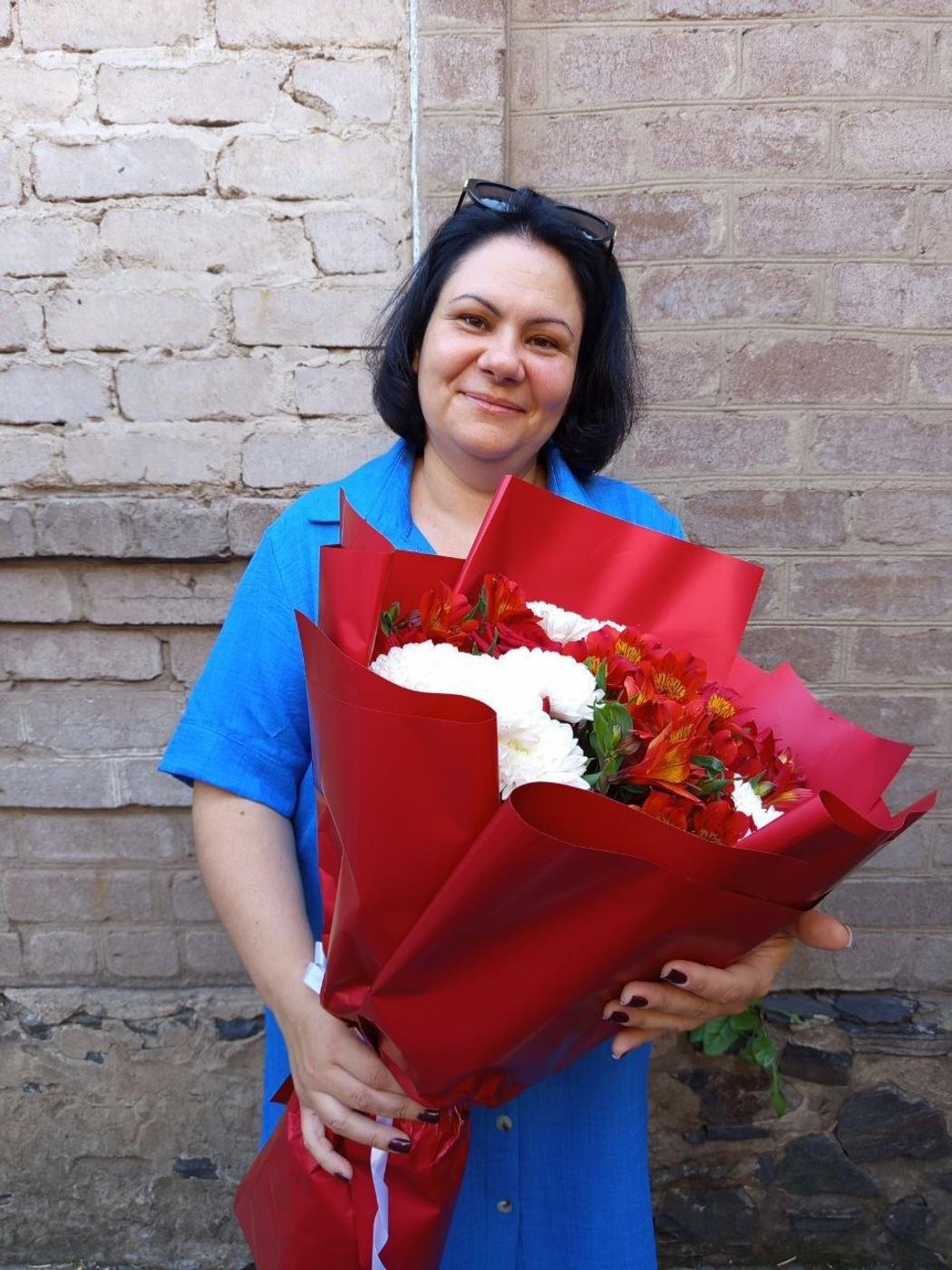
According to Matviy, his mother was a very strong but at the same time extremely modest person. When she was offered the title of “Mother Heroine,” she refused.
She didn’t want any kind of show; she didn’t want to appear in public for everyone to see her. She was very modest. In fact, she devoted her entire youth and life to us. We became her reason for living
A 19-year-old son living in Poland Matviy Voronov
Raising ten children wasn’t easy. However, the older ones helped their parents with the younger ones from an early age. First Aurika and Danilo, then Matviy.
He remembers carrying the little ones in his arms, pushing them in strollers, feeding them from a bottle, and taking them for walks.
“We were a very close-knit family. I wouldn’t say it was always easy. But somehow, we all managed together,” says Matviy.
Mark was planning to move abroad and start a new life
The oldest of the children who died was 17-year-old Mark. He was about to turn 18 on August 20. Matviy had been looking forward to that day and was already imagining how he would call his brother and joke, “Well, hello. Now you’re a grown-up, too.”
He didn’t get the chance.

Mark had a girlfriend named Ira. The young couple was already preparing to move abroad: they’d gotten their documents in order and were saving money. At first, they planned to go to Matviy in Poland, but then decided to try starting a new life in Lithuania.
“I was waiting for my brother. I really wanted to see him,” he says.
Mark loved fishing. The family archive contains many photos of him with his catch—and in almost every one, he’s smiling broadly.
His brother was also, as Matviy puts it, “a jack-of-all-trades.” He could fix a chair, build something, and helped renovate his girlfriend’s parents’ apartment.
And he could never walk past someone who needed help.
Matviy recalls a story his grandmother Nelia told him. After the destruction of the Kakhovka Hydroelectric Power Plant, there were problems with clean water in Radushne. A well was set up near the local church where people could get clean water for free. One day, Mark saw an elderly woman walking to get water and helped her carry it home.
He couldn’t just walk by. If anyone needed help, he helped. Even when things were tough for him
19-year-old son living in Poland Matviy Voronov
A few days before his death, Mark was chatting a lot with his girlfriend. They were planning to meet up and wanted to order sushi. It wasn’t cheap, but Mark said at the time, “What if I’m gone tomorrow?” It was as if he had a premonition.
In his messages, he suddenly started talking about what would happen if something happened to him; he even joked that if anything happened, he might send Irina some kind of sign—for example, a crow might fly by, since their last name is Voronov.
On the day of the strike, they were supposed to meet up and go out for sushi.
When the older children found out that a rocket had hit the house, they still hoped that Mark might be at his girlfriend’s place in Kryvyi Rih. But Ira said he’d stayed home that evening.
Dominika: She drew, listened to music, and loved to change her looks
Her sister Dominika was 15 years old. She had already finished ninth grade and was continuing her studies in a creative field.
Matviy says that, in general, many children in their family had creative talents. Dominika painted, loved music, and was also into anime. This was also a sort of family tradition: several brothers and sisters were fans of Japanese animation.

Dominika loved experimenting with her appearance—she would dye her hair, try out unusual hairstyles, and come up with new looks.
“She loved to express herself. To me, she was a very cheerful person—she was always smiling,” Matviy recalls.
Their relationship was typical of that between an older brother and a younger sister: he would tease her and joke around, but he loved her dearly.
Matviy remembers how Dominika once cooked a delicious meal, and when he saw the dish, he pretended to be afraid to taste it—saying he was worried he might get food poisoning. These ordinary family jokes have now become part of his memories of his sister.
Viorica feared only one thing—losing her family
Viorika had just turned 14 shortly before the tragedy. If Matviy compares Dominika to the sun, then he compares Viorika to the moon.
She loved peace, quiet, and music. She wrote a lot. She was a dreamy girl who kept her own diary, where she jotted down her thoughts. Unfortunately, the diary was lost in the blast.
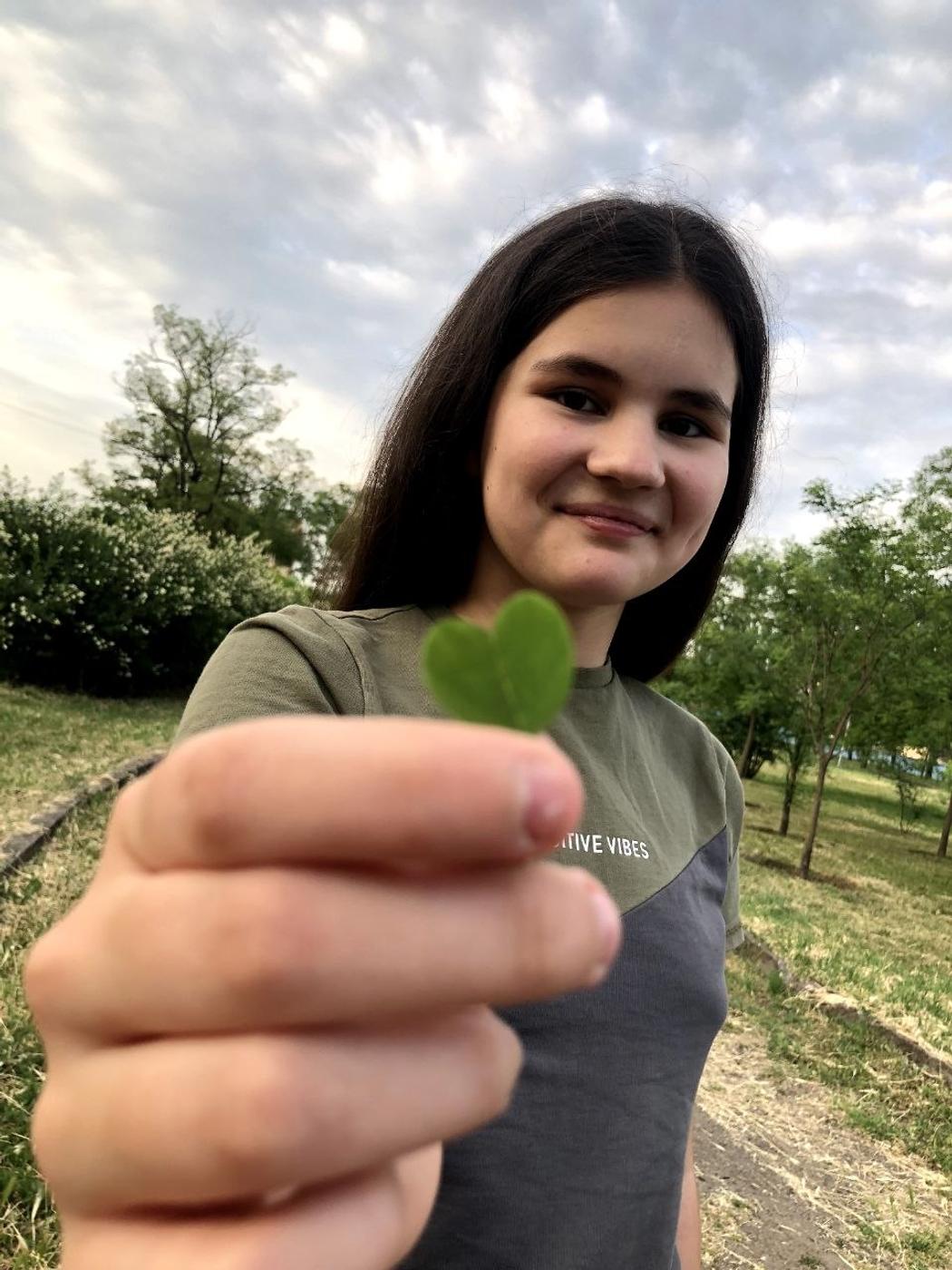
But her family remembers one phrase from it. When Viorika was about 12 years old, she wrote that her greatest fear was losing her loved ones.
She loved them all very much. And she was scared. The war, the frontline region—she was very afraid of that
Her 19-year-old son, who lives in Poland Matviy Voronov
Zakhar continued the family’s chess tradition
Zakhar was 12 years old. He was about to turn 13 in December. Matviy says that as children, they looked so much alike that, when looking at old photos, he sometimes couldn’t tell right away who was in the picture—himself or his younger brother.
Zakhar was very kind and, according to Matviy, knew how to forgive. He was also an excellent chess player.
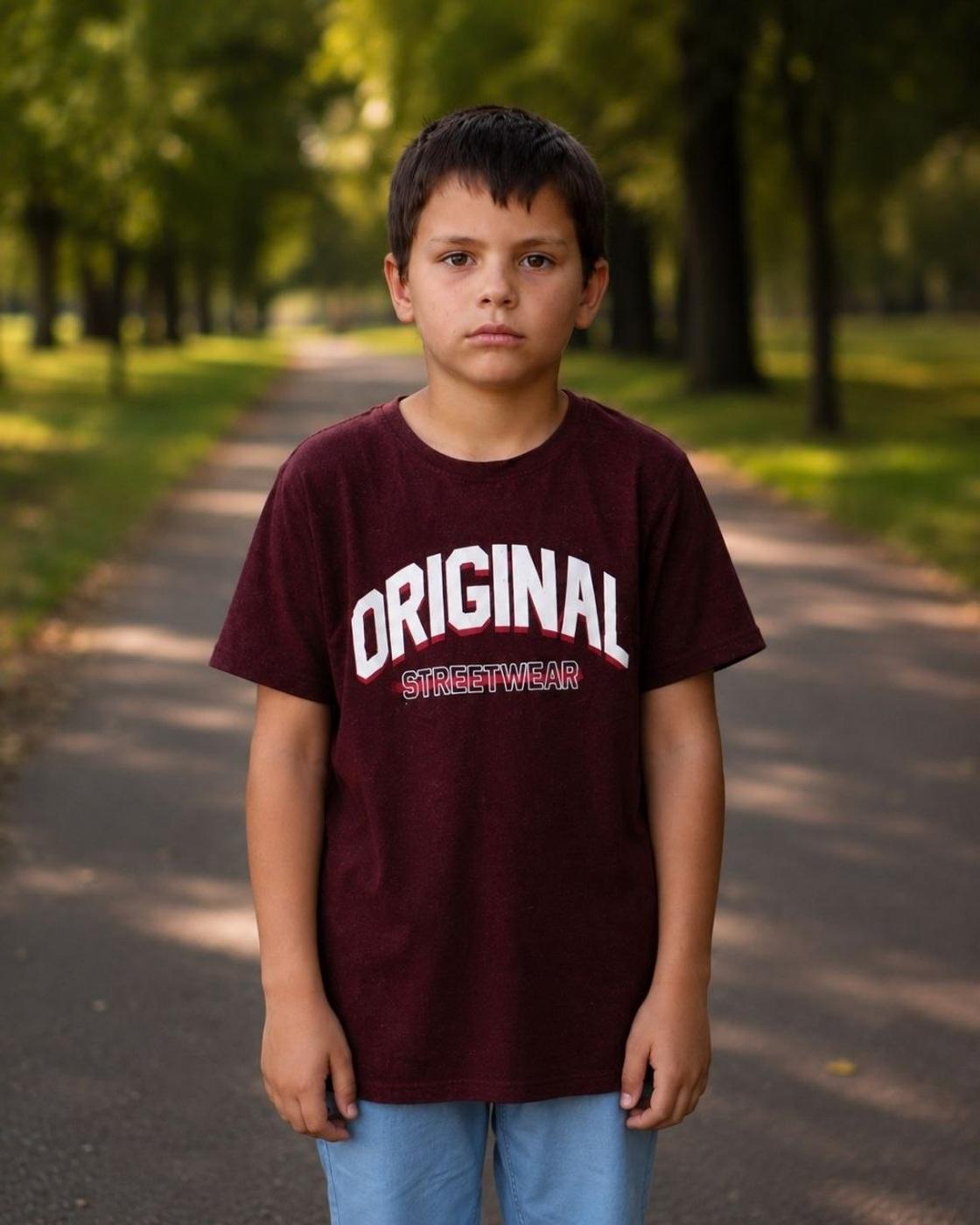
Almost everyone in the Voronov family loved this game. Their father had once taught his older sons to play; Matviy and Danilo competed in tournaments, and later Zakhar followed in their footsteps.
A photograph has been preserved showing the boy holding a trophy after winning a chess tournament. It was a special moment for his older brother.
Azariy Ilay—a Little Gentleman
His 11-year-old brother had a double name—Azariy Ilay. Matviy remembered him as being very romantic.
Even as a little boy, he would pick a flower for a girl or treat her to a piece of candy. His brothers and sisters would tease him good-naturedly about it.
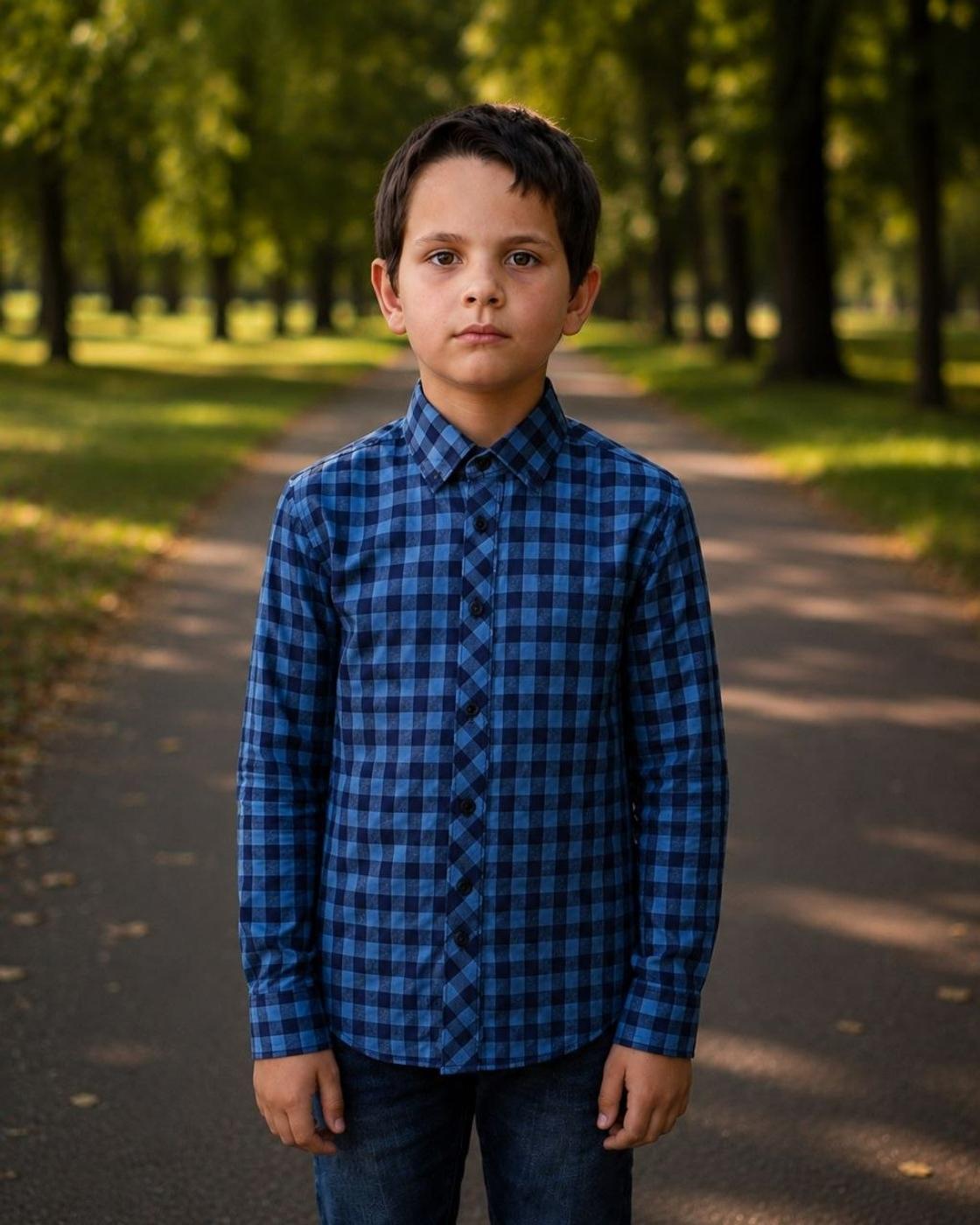
“He was such a gentleman. Modest, a little shy, but very loving. He never hurt the girls’ feelings; on the contrary, he protected them,” Matviy recalls.
Federica drew hearts for Mom and Dad
Federica was 10 years old. The family had four sisters whose names all ended the same way: Aurika, Dominika, Viorika, and Federica. Matviy recalls that their father chose the names for the daughters.
The children once even asked him why he had chosen those names. Their dad joked that he thought that when he got older, it would be hard for him to pronounce long names, so he would just call his daughters “Ika.”
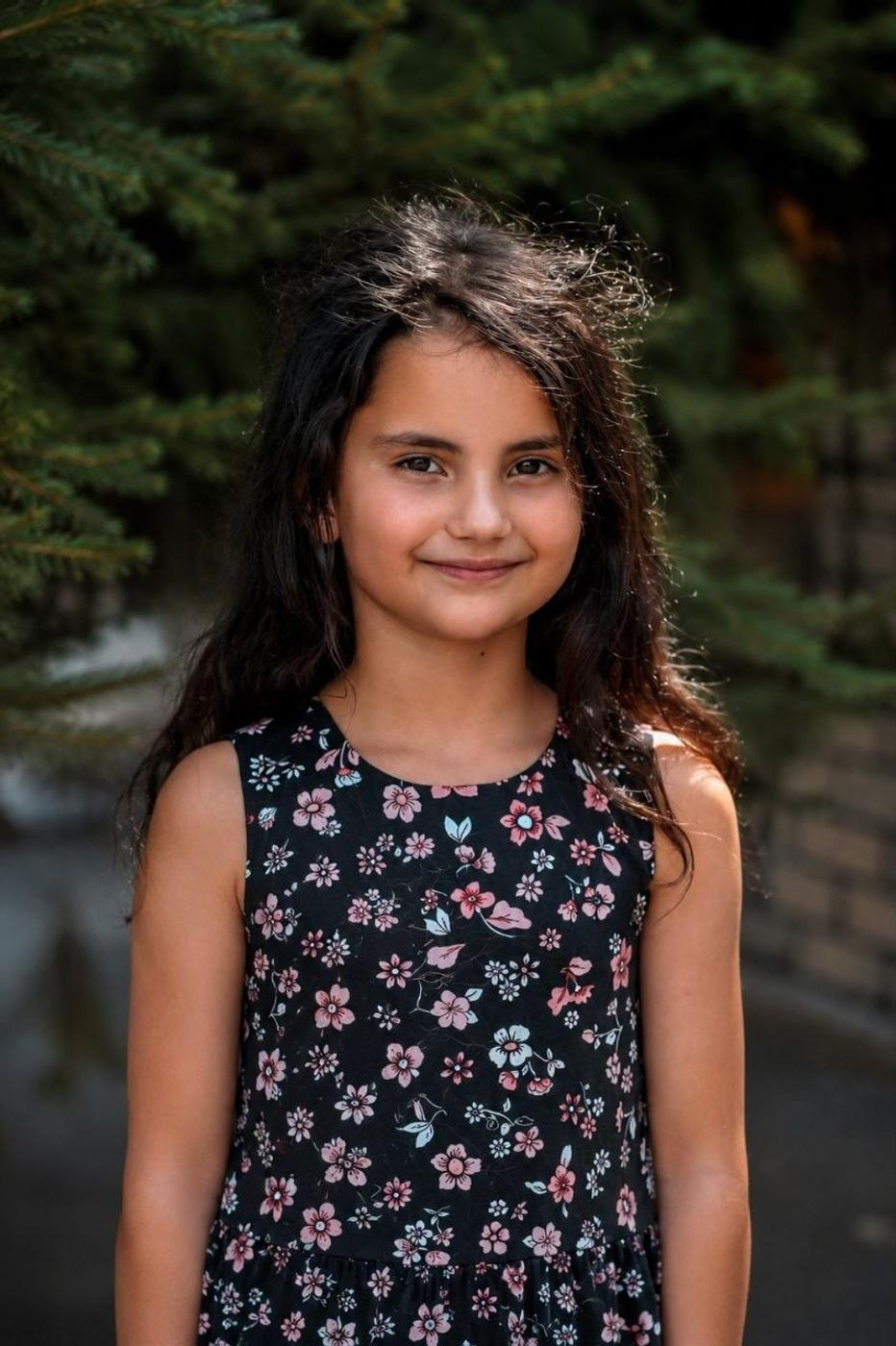
Matviy also calls Federica “my little sunshine.” She looked a lot like her grandmother Nelya; she attended various clubs, drew, played music, and participated in school performances.
Shortly before the tragedy, the children were at a school camp. They brought back photographs and many drawings from there. Among them, Matviy particularly remembers one of Federica’s childhood creations—a heart she cut out for Mom and Dad.
Emilia asked her brother, “Will you come to my birthday party?”
The Voronovs’ youngest daughter, Emilia, was only six years old. Matviy admits that he probably had a special bond with her.
When she was born, her older sister Aurika was already working, and Danilo was studying at a military academy. Therefore, much of the responsibility for caring for little Emilia fell on Matviy. He carried her in his arms, played with her, and helped their parents.
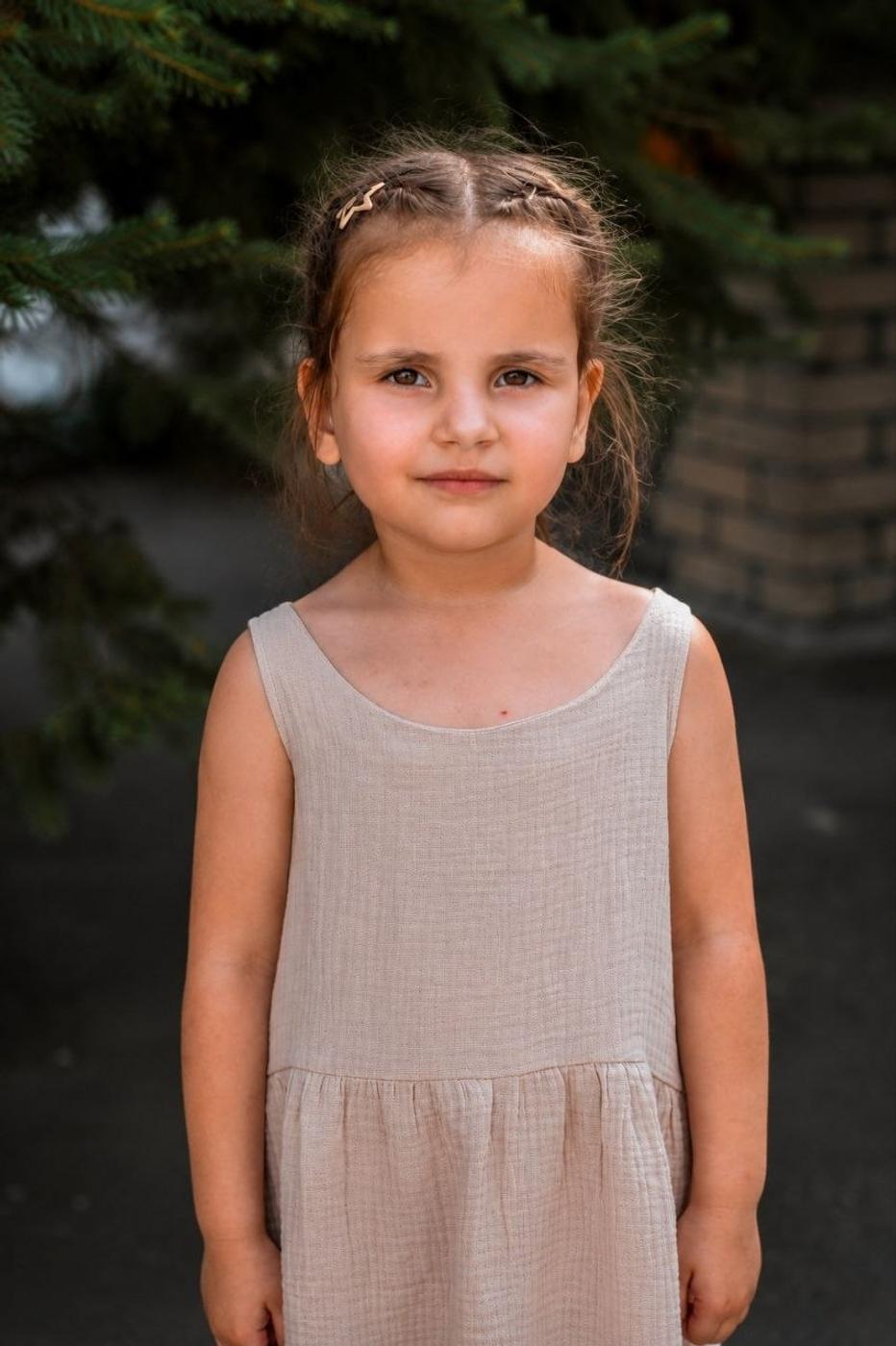
She loved me very much. Probably because I was the one who carried little Emilia in my arms more than anyone else. And I loved her very much
19-year-old son, who lives in Poland Matviy
Emilia, like Matviy, was left-handed.
Her brother recalls one of her birthdays. The girl loved corn sticks, so Matviy decided to throw her a surprise party: while she was asleep, he went to the store, bought several large bags of treats and some balloons.
When Emilia woke up and saw the room filled with gifts, she simply asked, “Is all this for me?” Then she spent a long time eating her favorite corn sticks and sharing them with everyone.
Matviy describes his sister as exceptionally bright. She started talking very early, picked things up quickly, and was interested in math. Even at six years old, you could discuss serious matters with her.
When adults tried to reassure her by saying that the war would end soon, she didn’t really believe them. “No, wars don’t end quickly,” Emilia would reply.
She had just finished first grade. Lately, the girl kept saying she missed Matviy. Their birthdays were very close together: Matviy’s was on November 8, and Emilia’s on the 12th.
During one of their last conversations, she asked, “Will you come to my birthday?” Matviy promised he’d try. He never made it.
Matvey knew one-and-a-half-year-old Artem only from videos
Another little boy died along with the family—one-and-a-half-year-old Artem, the son of his older brother, 23-year-old Danilo.
Matviy never got to see his nephew in person: he had been living in Poland for two years. But Danil would call him via video chat to show him how his son was growing up.
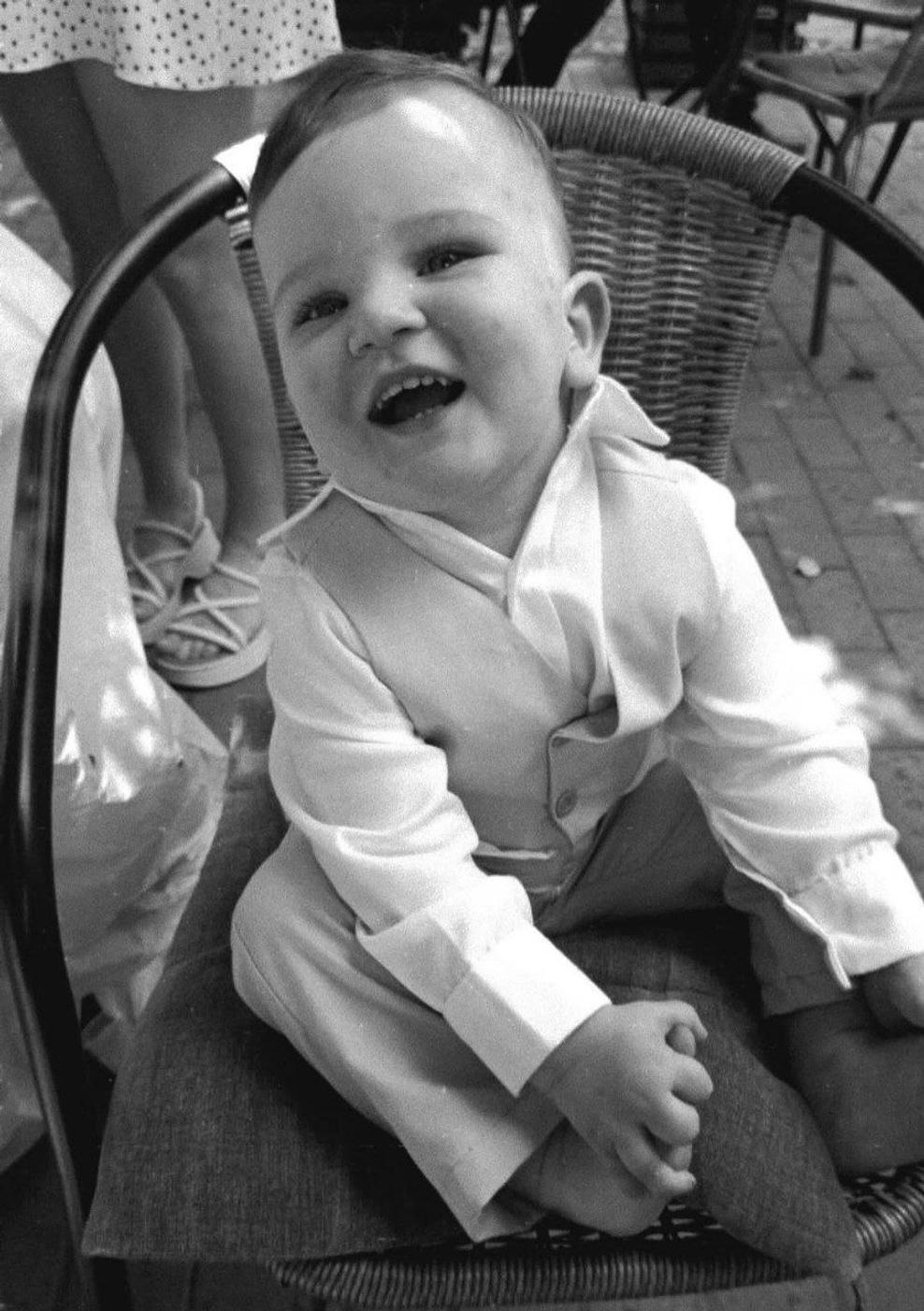
It still felt strange to Matviy to realize that his older brother had already become a father.
“I told him, ‘Danya, you’re a father now. How is that possible? Just yesterday we were running around and goofing off, and now you’re in the military and you have a son,’” he recalls.
According to Matviy, Danylo had enrolled in the Odesa Military Academy even before the full-scale war began; he wanted to become an officer. At the start of the invasion, he was finishing his final year; later, he signed a contract. Now, according to his brother, he holds the rank of captain.
After the tragedy, it fell largely to Danylo—who remained in Ukraine—to handle the paperwork related to the deaths of his family members.
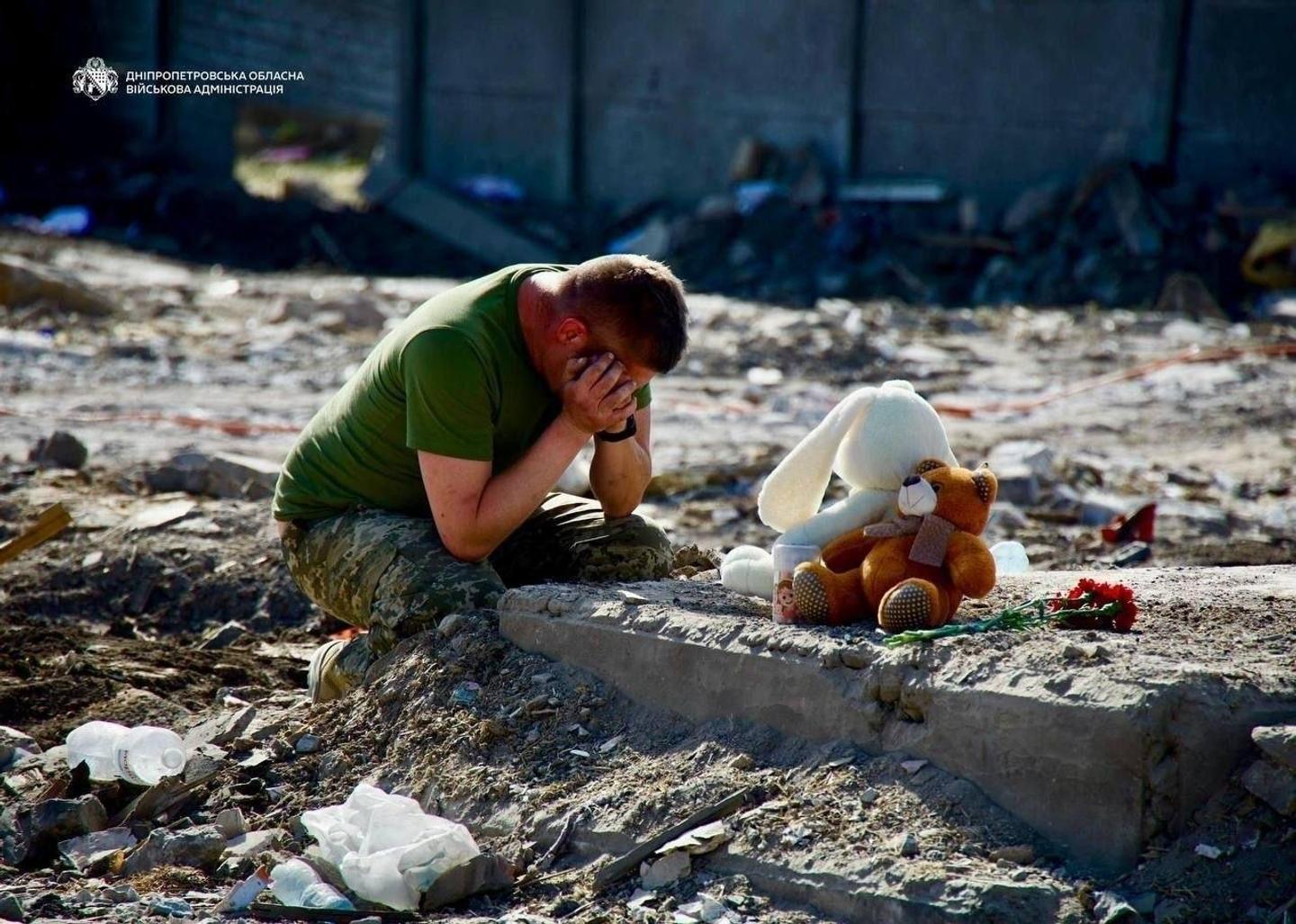
A few days before the attack, his mother returned from Germany
The Voronovs’ eldest daughter, 25-year-old Aurika, lives in Germany. She is raising twins—her daughter Adelina and her son Myron. Shortly before the tragedy, their mother had gone to visit her.
She stayed in Germany until around July 25, and, according to Matviy’s recollection, returned home on approximately the 27th—just three days before the missile strike.
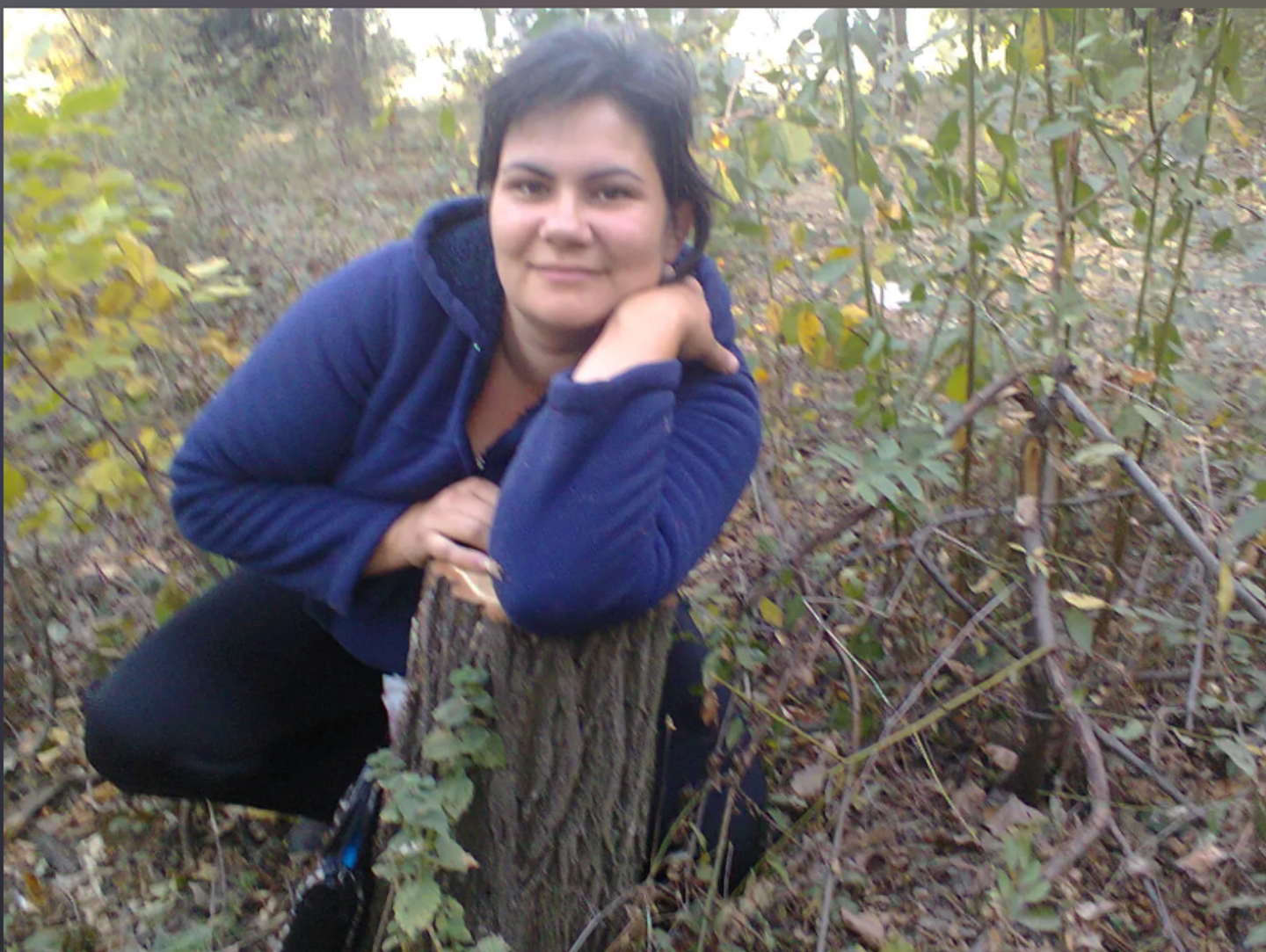
Matviy still painfully recalls that he was never able to have a proper conversation with her after her return. He called her once while she was on the road. His mother said she couldn’t talk at the moment. Over the next few days, Matviy worked 12-hour shifts and didn’t have time to call back.
Now he keeps thinking over and over again about what would have happened if his mom had stayed in Germany or on the road just a little longer.
“It would have been better if the bus had broken down somewhere. It wouldn’t have been a big deal. The main thing is that she would have stayed alive,” he says.
“They told me: a rocket hit our house”
Matviy learned about the tragedy from Aurika. It was around 1:00 a.m. in Poland. He was already getting ready for bed—he had to go to work in the morning. His sister called.
She was crying and couldn’t speak properly. Then Aurika said she’d been told that a rocket had hit their house. His first reaction was hope.
The older children started calling their parents, brothers and sisters, and friends. They hoped that someone might not have been home.
Matviy says: at first, he still believed that everyone might have escaped. Then, when he saw the extent of the destruction, he hoped at least someone had survived. But the house was destroyed. None of those who were there survived.
"The Fighting Crows"
The Voronovs had their own family chat group. They named it after their last name—“Combat Crows.” There were 11 family members in the group, including the youngest, Emilia—she didn’t have her own phone yet.
People were constantly sending things to the chat: jokes, photos, videos. Aurika showed pictures of her children, and Danilo shared photos of little Artem. Some shared news, while others simply wrote to their loved ones. Now this chat has become a family archive.
“It’s gotten very quiet there now. This group has become our memory,” says Matviy.
He keeps the chat history with his family because it contains voice messages, photos, and videos. He wants to preserve them for as long as possible. For himself, for Aurika and Danilo. For the children who may one day be born to Matviy himself and ask who their grandparents, uncles, and aunts were.
It pains me to realize that when I have children of my own, they’ll ask, “Where are your parents? Where are your brothers and sisters?” What am I supposed to say? That there was a war—and they died… It’s very painful
A 19-year-old son living in Poland Matviy
Matviy himself is currently studying to become an electrical engineer in Poland, essentially following in his father’s professional footsteps. Although since childhood, he’s loved history the most and once wanted to become a historian.
He has another passion—he’s writing a book. He hopes to finish it and print at least a few copies for his closest friends and family. Matviy used to have so many of them. Now only the three oldest Voronov children remain—Aurika, Danilo, and Matviy.
And the memory of seven brothers and sisters, their mom, dad, and little Artem.
At the end of our conversation, Matviy said simply, “I was happy to tell you about my family.”
Author

Maryna Petik journalist
All materialsShe has been a journalist since 2003. She has worked for publications such as "Gazeta po-kyivski," "Segodnya," "Vesti," and "Obozrevatel."